
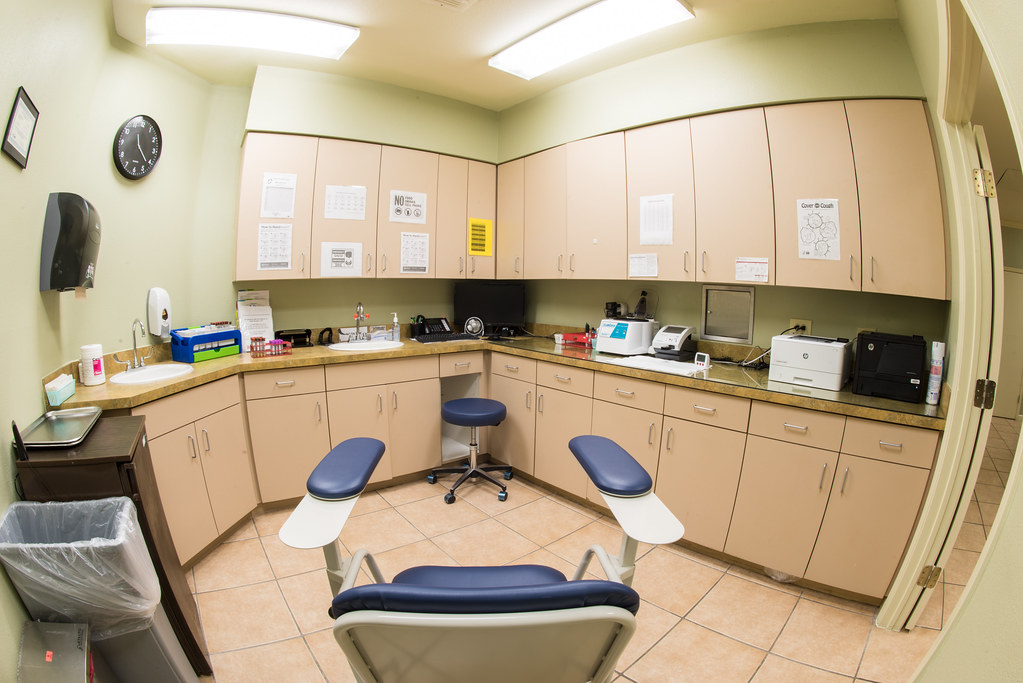
Riverside Free Clinic will begin offering medication-assisted treatment four days a week starting next month, up from three, medical director Dr. Isolde Ferris said, an expansion funded by a one-year grant that may not renew.
Riverside Free Clinic will begin offering medication-assisted treatment four days a week starting next month, up from three days currently, medical director Dr. Isolde Ferris said Monday. The clinic, which provides no-cost primary care to uninsured residents concentrated in Lowertown and Cedar Hollow, expanded from one day of medication-assisted treatment to three over the past several years as demand climbed.
“We said last year we were exploring a fourth day, and the honest answer is we couldn’t not do it,” Vance said. “Our three existing days have been booked solid for months, and we’ve had patients tell us they’d rather wait a week for an appointment here than travel to a provider outside the neighborhood.”
Demand outpacing capacity
Vance said the clinic’s medication-assisted treatment program, which uses buprenorphine and similar medications to help patients manage opioid withdrawal and cravings, now serves about 210 active patients, up from roughly 95 three years ago. She said the clinic added its third day of appointments largely to handle a wave of referrals from Bellwater General’s emergency department, part of a hospital-wide push to connect overdose patients with treatment before they are discharged.
“We started getting calls from the hospital saying, ‘We have someone ready to start today, can you see them this week,’ and the answer used to sometimes be no,” Vance said. “That’s the referral you can’t afford to lose. If somebody’s ready and you make them wait ten days, the moment can pass.”
We said last year we were exploring a fourth day, and the honest answer is we couldn’t not do it. If somebody’s ready and you make them wait ten days, the moment can pass.
Dr. Isolde Ferris, Medical Director, Riverside Free Clinic
A grant covers the new day, for now
The fourth day of appointments is funded through a one-year state grant aimed at expanding medication-assisted treatment access in underserved areas, Vance said, along with a smaller contribution from the clinic’s general operating budget. She said the clinic has applied to renew the grant but has not received confirmation it will continue past its first year, a familiar uncertainty for a facility that relies heavily on grant funding rather than a stable public appropriation.
“We’re opening a fourth day on a one-year grant, which means I already have to start thinking about what happens if that grant doesn’t renew,” Vance said. “I try not to build a program I’d have to explain shutting down to two hundred patients a year from now, but that’s the position we’re often in.”
A patient’s perspective
Yolanda Pruitt, a 38-year-old Cedar Hollow home health aide who has been in the clinic’s medication-assisted treatment program for eight months, said the wait for an appointment slot has been the hardest part of staying consistent with her treatment. “I had a stretch where my appointment kept getting pushed because the schedule was so full,” Pruitt said. “When you’re trying to stay steady, having your appointment moved around messes with more than just your calendar.”
Pruitt said she has referred two coworkers to the clinic’s program since starting treatment herself, both of whom are now on the waitlist for an initial appointment. “People don’t always know this exists, or they think it’s only for people who are further along in some kind of crisis,” she said. “It helped me hold down my job. I don’t think people realize that’s what this kind of care can look like.”
Coordinating with the hospital and Wayfinder
Vance said the clinic has strengthened its coordination with both Bellwater General and Wayfinder Recovery Services over the past two years, building a referral pipeline she said did not exist in any formal way before. Patients who need residential treatment or sober-living housing beyond what the clinic offers are now referred directly to Wayfinder, while patients arriving from the hospital’s emergency department are given priority scheduling for their first clinic visit.
“We used to operate like three separate islands,” Vance said. “The hospital treated the emergency, we treated the ongoing medical need, and Wayfinder treated the housing and behavioral side, and patients were the ones who had to stitch all of that together themselves. That’s gotten a lot better, though I wouldn’t call it finished.”
Vance said the clinic is tracking retention rates for the fourth-day cohort closely, hoping to demonstrate to the state that the additional capacity is producing outcomes that justify renewed funding. Early data from the clinic’s existing three days shows roughly 70 percent of patients remaining in treatment past the six-month mark, a figure Vance called encouraging but incomplete without a full year of results.
“If the state renews the grant, I want the number to be five days next year, not four,” Vance said. “But I’ve learned not to announce that until the money is actually in hand.”