
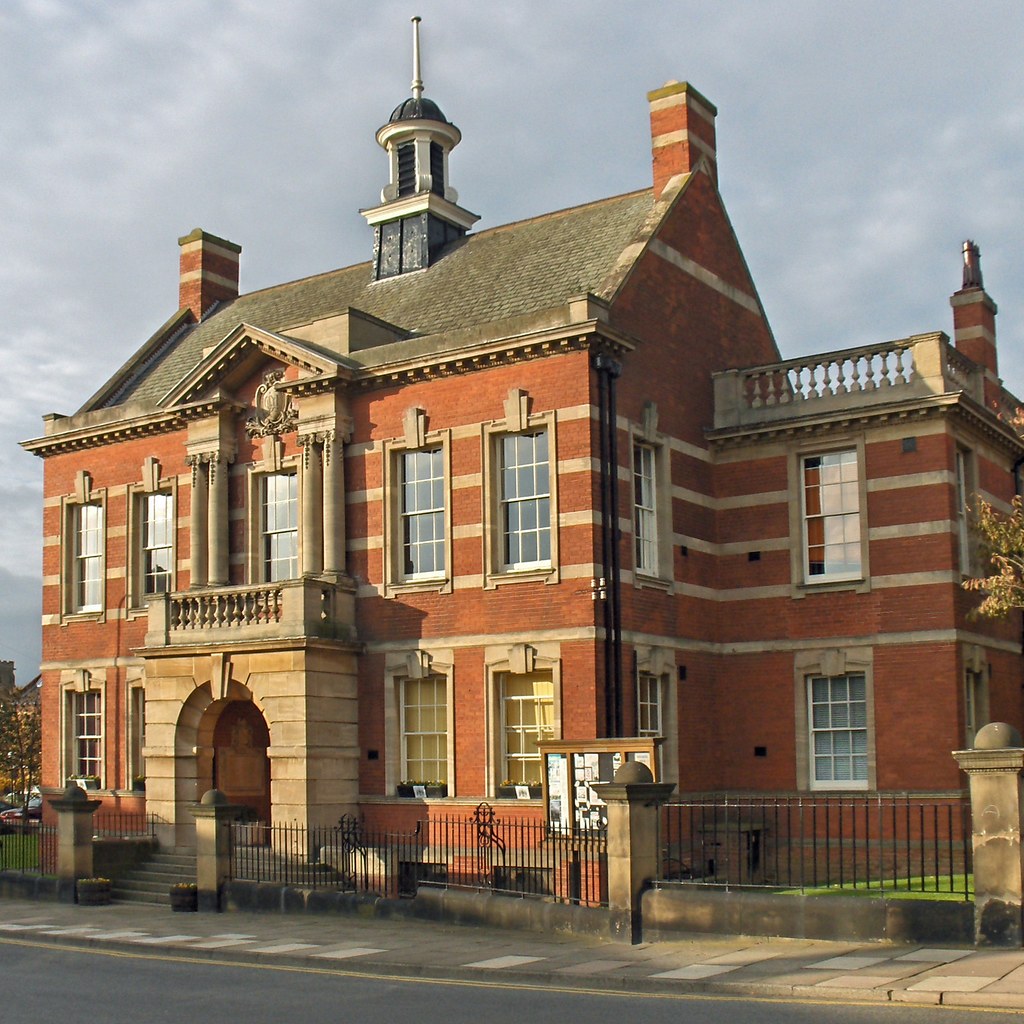
The Bellwater City Council voted 6-1 late Tuesday to approve a $412 million city budget for the coming fiscal year, closing an $18.6 million gap through a mix of biotech-driven tax growth, a scaled-back police increase and a set of late amendments added to secure the final vote.
The $412 million budget, up from $398.4 million in the current fiscal year, closes the $18.6 million gap City Manager Marcus Whitfield warned of at the start of budget season through a combination of roughly $6 million in new biotech-related tax revenue, department-level trims across most city offices, and a decision to draw $4 million from the city’s reserve fund rather than cut deeper into services.
The vote followed weeks of debate over how to fund the police department’s request for additional staffing money, which was ultimately resolved through a budget committee compromise setting the department’s budget at $91.2 million, including $1.2 million for a new mental-health co-response pilot in Lowertown and Cedar Hollow. That figure survived largely intact in the final budget, with a small additional allocation for recruiting incentives aimed at filling roughly two dozen vacant officer positions.
A late amendment breaks the logjam
The most consequential change came less than 48 hours before the final vote, when Council Member Terrence Boudreaux secured a $2.8 million line item for a Lowertown reinvestment fund he has pushed for since earlier this year, covering facade improvements, small-business grants and a job-training partnership with Bellwater Community College. “This isn’t the dedicated fund I originally proposed, and I want to be clear about that,” Boudreaux said. “But it’s real money, in this year’s budget, for my district, and I wasn’t going to vote for a $412 million budget that had nothing in it for Lowertown.”
I’ve voted for budgets before that promised to get to Lowertown next year. Next year kept not coming. I told my colleagues I wasn’t doing that again, and to their credit, they found the money.
Terrence Boudreaux, City Council Member, District 2 (Lowertown)
Council President Walter Kowalczyk, who helped broker the late amendment, said finding the $2.8 million required trimming a planned facilities upgrade at two municipal buildings and delaying a vehicle replacement schedule for one year. “Nobody loves postponing a roof repair,” Kowalczyk said. “But I’d rather delay a roof than delay Lowertown again.”
One dissenting vote
Council Member Gary Petrowski cast the lone no vote, arguing the budget still shortchanged addiction treatment funding for Cedar Hollow despite the Lowertown amendment. “I’m glad Lowertown got real money added at the last minute,” Petrowski said. “I’ve been asking for treatment funding in this budget for months and got told there wasn’t room. I can’t vote for a budget that finds $2.8 million in 48 hours for one district and nothing for the treatment programs my constituents have been asking for all year.”
Whitfield acknowledged the treatment funding request remained unresolved but said his office would work with Petrowski to identify a funding source, possibly tied to county opioid settlement dollars, before the next budget cycle. “I don’t think Councilman Petrowski’s concern is unreasonable,” Whitfield said. “It just didn’t get resolved in the same 48 hours the Lowertown amendment did, and I understand why that frustrates him.”
Council Member Aisha Muhammad, who pushed unsuccessfully earlier in the process for a larger cut to the police budget, said she voted yes because the co-response pilot and the Lowertown amendment represented real, if modest, progress. “This isn’t the budget I would have written by myself,” Muhammad said. “It’s the budget seven people with different priorities could agree on, and there’s more in it for neighborhoods than there would have been without a fight.”
Mayor Renata Ibarra, who is running for a third term, praised the final budget as evidence her administration could manage a tight fiscal year without deep service cuts. “We closed an $18.6 million gap without gutting public safety or abandoning our commitments to Lowertown,” Ibarra said in a statement. “That’s a budget I’m proud to sign.”
The new budget takes effect at the start of the coming fiscal year. Whitfield said his office would begin implementation immediately, including hiring for the mental-health co-response pilot and disbursing the first round of Lowertown reinvestment grants within 90 days.
Budget Director Priya Ramaswamy said her office would publish a public-facing summary of the approved budget within two weeks, breaking out spending by department and neighborhood investment for residents who want to track the Lowertown fund and the co-response pilot without wading through the full document. “We heard from a lot of residents this year who wanted more transparency about where their money is actually going,” Ramaswamy said. “I’d rather they get that from us directly than have to piece it together from council meeting minutes.”
Kowalczyk said he considered the budget season’s late-hour dealmaking a preview of how the council might operate going forward, regardless of who holds the presidency after next month’s reorganizational vote. “Seven people found a way to agree on $412 million even when three of us were furious with each other twelve hours earlier,” Kowalczyk said. “Whatever else changes at City Hall this year, I’d like to think that’s still possible.”