
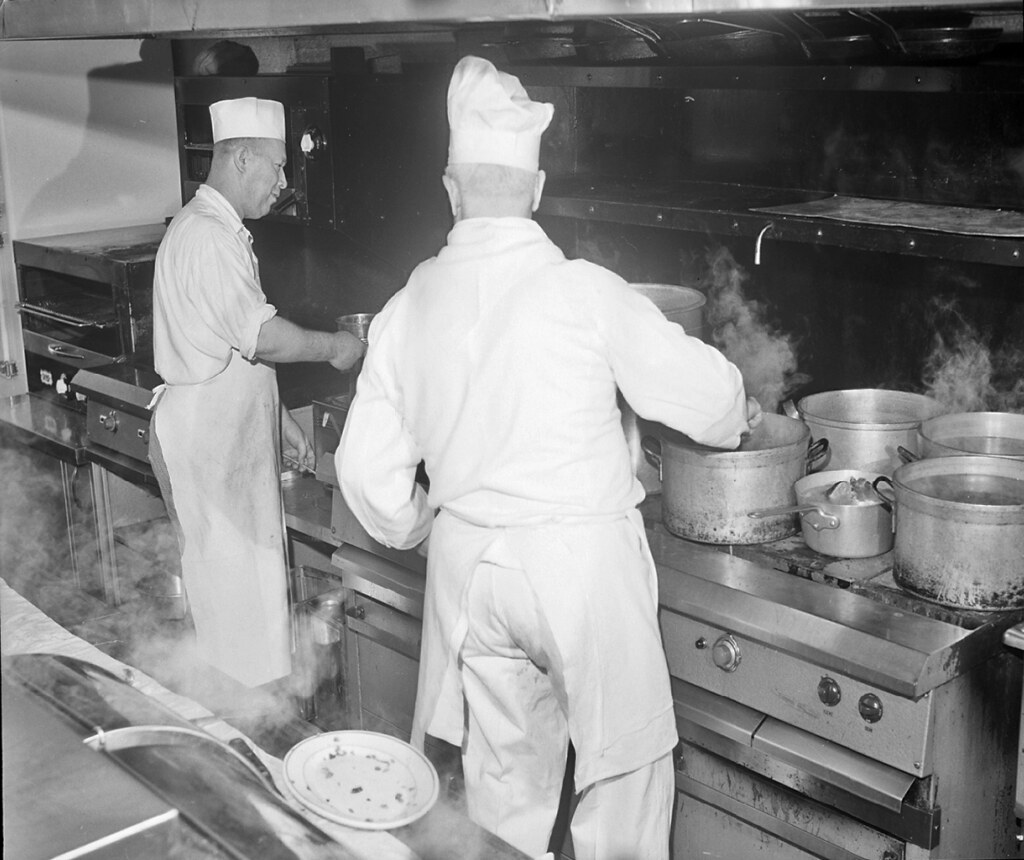
The Mill Street Diner reopened its doors this week for the first time since an electrical fire gutted its kitchen fourteen months ago, returning a Foundry Row breakfast counter that predates the neighborhood's biotech boom by nearly six decades.
Owner Denny Kowalski, whose father opened the diner on Mill Street in the years before the neighborhood’s factories began closing, said the fourteen-month closure was the longest the diner has gone dark since it opened. An electrical fault behind the kitchen’s grill line sparked the blaze early one Sunday morning, gutting the kitchen and forcing Kowalski to rebuild almost entirely from insurance proceeds and a loan from a community development fund aimed at Foundry Row’s legacy small businesses.
“I had people asking me for a year whether I was actually going to reopen, or whether I was going to take the insurance money and sell the building to somebody who wanted to put in another loft development,” Kowalski said, gesturing at the diner’s new stainless kitchen equipment through the pass window. “I get why they asked. Half of Mill Street looks nothing like it did when my dad ran this place.”
A menu mostly unchanged
The reopened diner kept its menu almost entirely intact, down to the $6.50 short stack and the hand-written specials board, a decision Kowalski said was deliberate. “The building got modernized whether I wanted it to or not, because the fire code required it,” he said. “The menu didn’t have to change, so it didn’t.” He did add three items, including an oat-milk latte, after what he described as “about two years of polite requests” from newer customers working at the biotech offices that have opened within a few blocks of the diner.
Longtime regular Arlene Petrosky, who has eaten breakfast at the counter most Saturdays for over twenty years, said she worried during the closure that the diner would either not reopen at all or would come back unrecognizable. “I’ve watched three other places on this street turn into something with a name I can’t pronounce and a menu I can’t afford,” Petrosky said. “I was ready for that to happen here too.”
I don’t mind that there are new people at the counter who work in labs instead of factories. I mind when a place stops being for the people who were already there. This diner reopening the same as it closed, that matters more than people probably realize.
Arlene Petrosky, longtime Mill Street Diner customer
A changing customer base
Kowalski acknowledged the diner’s customer base has shifted noticeably over the past several years, with a growing share of weekday breakfast and lunch business now coming from workers at nearby biotech offices, including staff from Kestrel Biologics and the startups housed at the Forge Bellwater incubator. He said the shift has been good for revenue but has occasionally created friction, including complaints from longtime regulars about longer waits during the weekday lunch rush.
“I’m not going to turn away business,” Kowalski said. “But I also told my staff when we reopened: the guy who’s been coming in every Saturday for twenty years does not wait behind a group of eight people from a company that moved in eighteen months ago. That’s not a policy I’ll ever write down, but it’s how we run the place.”
Theresa Nakamura, executive director of the Bellwater Chamber of Commerce, said the diner’s reopening matters beyond its own booths, calling legacy businesses like Kowalski’s “the connective tissue that keeps a changing neighborhood from feeling like two separate places stapled together.” She noted the diner sits roughly four blocks from a Foundry Row apartment development currently facing a lawsuit over its affordable-housing commitments, a dispute she said has made some longtime residents anxious about which parts of the old neighborhood are actually going to survive its transformation.
“Denny reopening this diner the same as it was is a small thing in the scheme of everything happening on this street,” Nakamura said. “But it’s the kind of small thing that tells people the neighborhood hasn’t completely forgotten who was here first.”
Back to a familiar rhythm
Kowalski said the diner rehired all nine employees who worked there before the fire, including a cook who had been with the restaurant for over eighteen years, and added two new part-time servers to cover the weekday lunch rush. He said he does not have plans to expand or open a second location, despite two offers from commercial landlords elsewhere in Foundry Row.
“This is the only Mill Street Diner there’s ever going to be,” Kowalski said. “My dad built this counter with his own hands. I’m not interested in turning it into a chain just because the neighborhood suddenly has money in it.” For now, he said, the goal is simply staying open through the next decade the way the diner survived the last several. “We made it through the factories closing,” he said. “We’ll make it through whatever this new version of the neighborhood turns out to be too.”
The diner’s reopening drew a steady line out the door for its first three mornings, a mix Kowalski described as roughly split between longtime regulars checking that the place was really back and newer neighborhood workers who had only known the diner from the plywood-covered storefront it had become during construction. He said he ran out of the diner’s signature corned beef hash by 9 a.m. on opening day, something he could not remember happening even during the restaurant’s busiest pre-fire years.
Petrosky said she showed up an hour before the diner’s official reopening time, uncertain whether Kowalski would actually be ready to serve customers. “I’ve been coming here since before some of these biotech buildings had foundations poured,” she said. “I wasn’t going to miss the first morning back, fire code inspection or not.” She said she ordered the same short stack and coffee she has ordered nearly every Saturday for two decades, and that it tasted, as far as she could tell, exactly the same.