
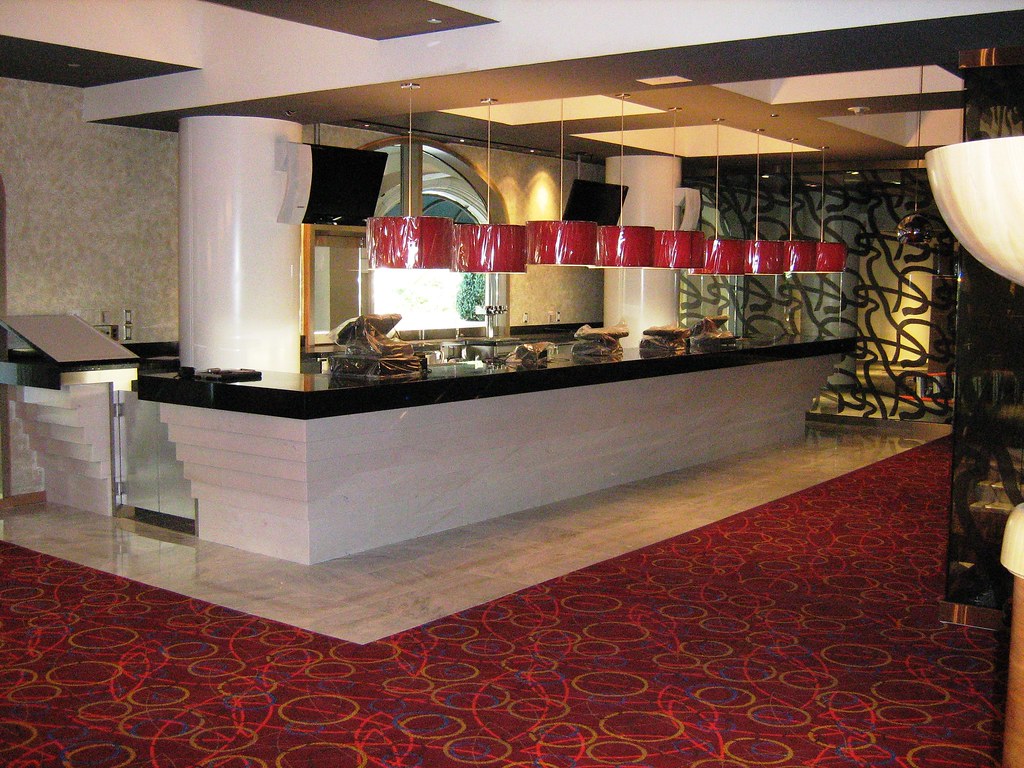
The Mill Street Diner quietly passed the one-year mark on its reopening this week, a milestone owner Denny Kowalski said he almost let slip past unnoticed, given how much of the past year has been spent simply trying to keep pace with a changing Foundry Row.
Denny Kowalski, whose father opened the diner decades before Foundry Row’s factories began closing, said the diner’s first year back has been steadier financially than any year before the fire that closed it for fourteen months. He credited a mix of loyal longtime regulars and a growing weekday lunch crowd from the biotech offices that have opened within walking distance of the counter. “I was bracing for a slow climb back,” Kowalski said. “Instead we were basically full most weekday lunches within about two months of reopening.”
A steadier bottom line
Kowalski said weekday lunch revenue over the past year has run roughly 15 percent above the diner’s pre-fire average, a gain he attributes almost entirely to workers from Kestrel Biologics and the startups housed at the Forge Bellwater incubator a few blocks away. Weekend business, by contrast, has stayed close to flat, driven mostly by the same longtime regulars who filled the counter before the fire. “Saturdays still belong to the old crowd,” he said. “Weekdays are a different story now.”
Longtime regular Arlene Petrosky, who has eaten breakfast at the counter most Saturdays for more than two decades, said the diner’s rhythm has mostly returned to what she remembers from before the fire, with one notable exception. “The lunch rush on a Tuesday now looks like what Saturday morning used to look like,” Petrosky said. “That would have been unthinkable ten years ago. Back then you could hear yourself think in here on a weekday.”
I’ve made my peace with the lunch crowd. What I haven’t made peace with is watching two more buildings on this street get gutted and turned into something with exposed brick and a name I can’t pronounce. The diner surviving doesn’t mean the street around it survives.
Arlene Petrosky, longtime Mill Street Diner customer
Staffing and a modest expansion
Kowalski said all nine employees who returned when the diner reopened are still with him a year later, along with the two part-time servers he added to handle the weekday lunch rush. He said he added a third part-time position over the summer after lunch wait times began drawing complaints from both longtime regulars and newer customers. “Nobody wants to wait forty minutes for a grilled cheese, no matter who they work for,” he said.
He said he has turned down two more offers from commercial landlords elsewhere in Foundry Row proposing he open a second location, the same offers he had declined at the one-year mark following the reopening. “The answer hasn’t changed,” Kowalski said. “There’s one Mill Street Diner. If I opened a second one somewhere else in this neighborhood, it wouldn’t be the same place. It would just be a franchise with my name on it.”
The diner’s continued presence on Mill Street comes as the surrounding neighborhood keeps changing around it. The 214-unit Foundry District Lofts development a few blocks away remains tied up in a lawsuit brought by Lowertown tenants over an alleged affordable-housing shortfall, even as its developer has continued moving forward with plans for additional phases. Kowalski said he has watched the dispute with interest, since many of the development’s construction workers and, eventually, its residents have become diner customers regardless of how the litigation resolves.
“I don’t take a side in that fight, publicly anyway,” Kowalski said. “But I’ll say the workers building that place eat here most mornings, and I expect whoever eventually lives there will too. This diner doesn’t get to pick who walks through the door.”
- Weekday lunch revenue is up roughly 15 percent over the diner’s pre-fire average, driven by nearby biotech workers.
- All nine employees who returned at reopening remain on staff, along with three added part-time positions.
- Kowalski has declined two additional offers to open a second location elsewhere in Foundry Row.
Theresa Nakamura, executive director of the Bellwater Chamber of Commerce, said the diner’s first year back has become something of a case study for the chamber in how legacy Foundry Row businesses can adapt without disappearing. “A lot of the small businesses that survived the factories closing didn’t survive the neighborhood gentrifying,” Nakamura said. “Denny’s found a way to do both, mostly by refusing to change the things his regulars actually care about.”
Kowalski said he still keeps the diner’s original menu almost entirely intact, including the $6.50 short stack, though he said the price will likely rise for the first time in three years given rising food costs. “I’ve held that price about as long as I can,” he said. “But I’m not going to pretend the fire, the reopening, and everything since didn’t cost real money. Something’s got to give eventually, even if it’s just fifty cents on a short stack.”
Petrosky said she has come to accept that some change is inevitable, even at a place she considers a constant. “I’ll pay the extra fifty cents,” she said. “I just don’t want to walk in one day and not recognize anybody behind that counter. As long as that doesn’t happen, I don’t much care what else changes around it.”