
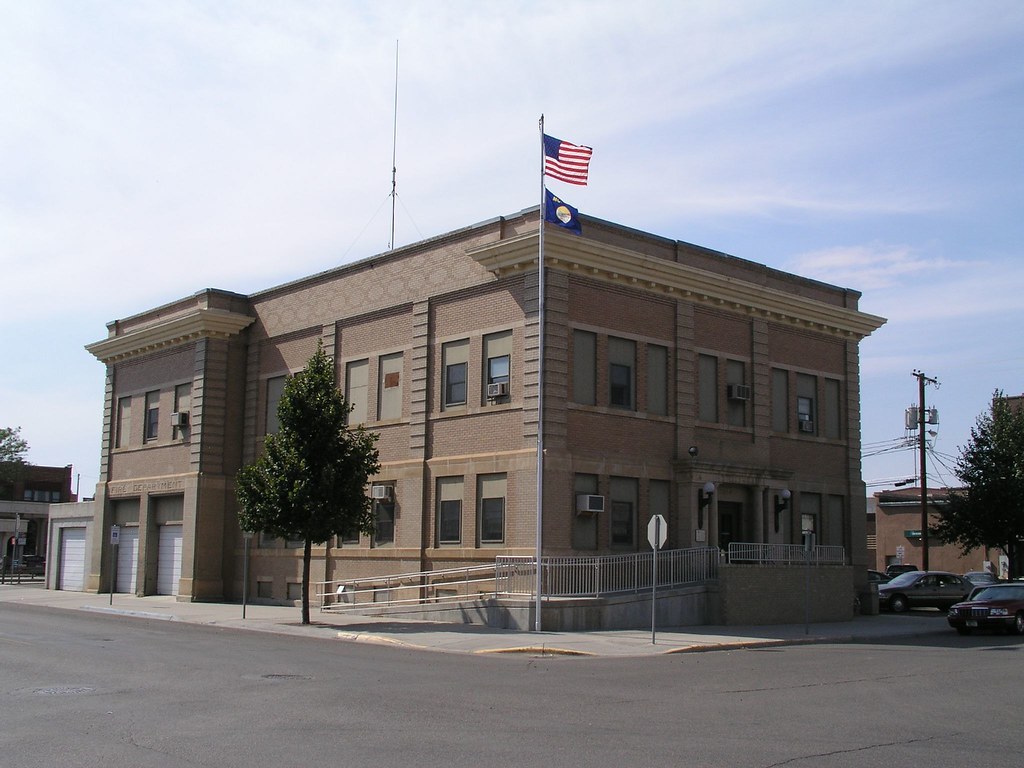
Two additional public defenders, a wider electronic-monitoring program and a new pretrial screening unit are the centerpieces of a plan the county board approved this week to relieve pressure on the overcrowded Wentworth County Jail.
The Wentworth County Board of Commissioners voted 4-1 on Tuesday to approve a $2.3 million package of pretrial reforms recommended jointly by the sheriff’s office, the courts and the public defender’s office, weeks after officials confirmed the jail’s population had climbed to 612 people in a facility rated for 480.
The plan expands the county’s electronic-monitoring program by 150 slots, funds two additional attorney positions in the public defender’s office, and creates a dedicated pretrial-services unit tasked with screening defendants for release eligibility within 24 hours of booking rather than the current average of four days.
- 150 additional electronic-monitoring slots for defendants awaiting trial
- Two new attorney positions in the county public defender’s office
- A pretrial-services unit to screen defendants within 24 hours of booking
- Expanded coordination with treatment providers for defendants with substance-use disorders
Board Chair Louis Renfro, who ordered the joint recommendations after the jail’s population figures became public, said the goal is to reduce the average daily population by roughly 100 people within a year without compromising public safety. “This isn’t about opening the doors,” Renfro said. “It’s about making sure the only people sitting in that jail are people who actually need to be there.”
A cautious welcome from advocates
Marlene Achike, director of the Wentworth County Justice Reform Coalition, which has pushed for pretrial changes for more than a year, called the plan a meaningful first step but said the timeline for measurable results remains too slow. “A hundred fewer people over a year still leaves us well above rated capacity,” Achike said. “We’ll take the win, but we’re not declaring victory.”
Sheriff Nathaniel Cobb, who runs the jail, said he supports the plan but cautioned that electronic monitoring only works for defendants who have stable housing and reliable phone access, conditions many people booked into the jail cannot meet. “This will help. It is not going to solve it by itself,” Cobb said.
Not everyone is convinced
Faster releases sound good until the person who skips a court date is the same person who hurt somebody. We need to hear a lot more about how they’re screening for that before we celebrate.
Bridget Farrow, spokeswoman, Wentworth County Crime Victims Coalition
Commissioner Dale Hutto, who cast the lone vote against the package, said he objected to funding the plan from the county’s contingency reserve rather than waiting for the next budget cycle. “I support most of what’s in here,” Hutto said during the meeting. “I don’t support paying for it out of the rainy-day fund when it hasn’t rained yet.”
District Attorney Vivian Ashcroft said her office was consulted on the pretrial unit’s screening criteria and does not expect the changes to affect how cases are charged. She noted her office has separately moved to expand its diversion program for low-level drug cases, a parallel effort she said should also ease demand on jail beds over time.
City Council Member Gary Petrowski, whose Cedar Hollow district has been hit hard by the opioid epidemic, said he pressed commissioners to pair the pretrial changes with sustained treatment funding. “You can’t monitor your way out of an addiction crisis,” Petrowski said. “The ankle bracelet doesn’t get anybody into a bed at Wayfinder.”
Renfro said the board will revisit the plan’s funding in the next full budget cycle, once officials can measure whether the pretrial unit is meaningfully shortening the time defendants wait for a release decision. The board also directed the sheriff’s office to report jail population figures monthly rather than quarterly.
Public Defender Harriet Voss, whose office will absorb the two new attorney positions, said the added staffing should let her lawyers handle roughly 15 percent more cases without pushing individual caseloads higher. “It won’t fix the backlog on its own,” Voss said, “but it means we stop falling further behind while the rest of this plan takes effect.”
How the screening will work
The new pretrial-services unit will operate out of the courthouse with a staff of six, drawing on a risk-assessment checklist developed with input from judges, prosecutors and the public defender’s office. Screeners will verify a defendant’s housing situation, employment, prior record and history of court appearances, then forward a recommendation to the judge handling arraignment. Judges retain final say over release conditions in every case, a point Renfro emphasized repeatedly during Tuesday’s meeting.
County officials studied similar units in three comparably sized counties before drafting the plan, according to a staff memo attached to the board agenda. In those counties, the memo said, faster screening reduced average pretrial jail stays by between 9 and 16 days without a measurable change in failure-to-appear rates. Farrow said her coalition wants the county to publish the same metrics here every quarter. “If the data holds up, fine,” she said. “But we want to see it in public, not in a memo.”
Achike’s coalition drew several dozen supporters to Tuesday’s meeting, many wearing shirts printed with the jail’s population count. Several speakers during public comment described relatives held for months on charges that were eventually dismissed. “The board heard from people it doesn’t usually hear from,” Achike said afterward. “That’s why this passed. Pressure works, and we intend to keep applying it.”