
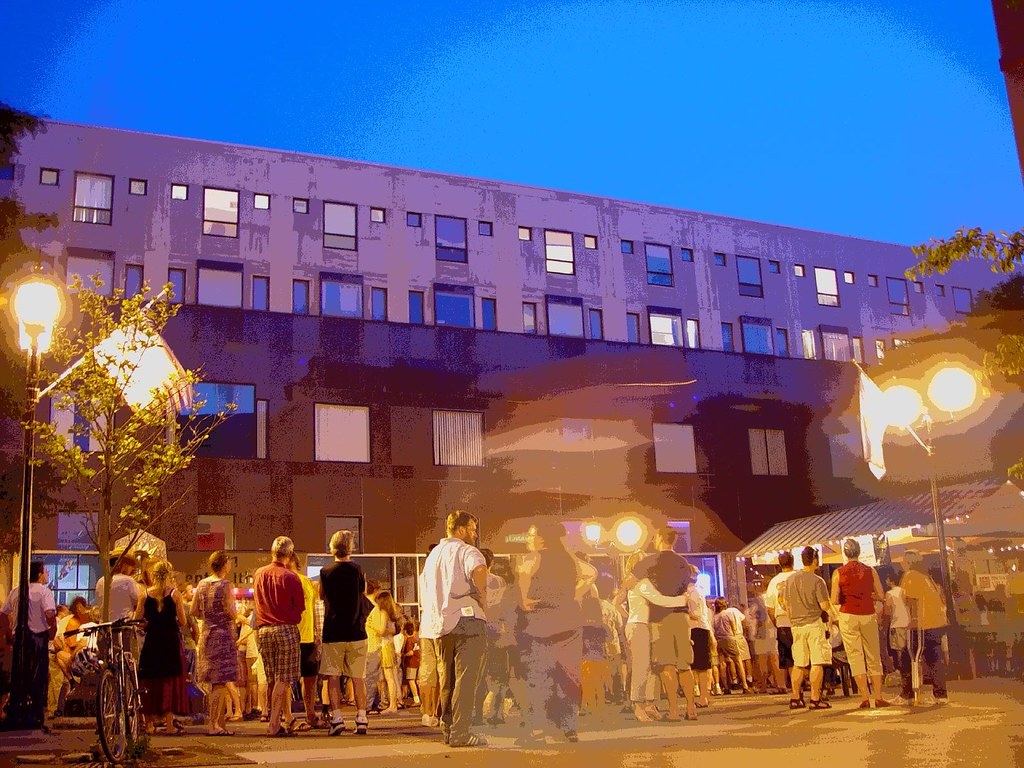
More than 120 vendors applied for 46 food and merchandise slots at this year's Riverlight Festival, and for the third year running, several rejected applicants say the same familiar names keep making the cut while newcomers are shut out regardless of how their applications score.
Festival Director Colin Marsh said this year’s vendor application pool was the largest in the event’s history, with 122 applicants competing for 46 available slots along the Kestrel River Greenway. Marsh said applications are scored on a rubric that weighs food safety certifications, past reliability at other events, and a subjective category for how well an applicant’s offerings complement the rest of the lineup. It is that last category, several rejected vendors say, that functions as cover for choosing familiar names over new ones.
Yusuf Rahman, who runs a food truck specializing in Bellwater-style street tacos, has applied for a Riverlight vendor slot three years in a row and been rejected each time, despite what he says are strong food-safety scores and glowing references from two smaller city-permitted events. “I’ve asked for specific feedback on my application every single time, and I get vague language about ‘lineup balance,’” Rahman said. “Meanwhile I watch the same eight or nine vendors post their Riverlight booking on social media every year like clockwork. At some point that stops looking like coincidence.”
Organizers defend the process
Marsh disputed the characterization that the selection process favors insiders, though he acknowledged that a core group of about 15 vendors has been invited back in some form in each of the past three years. He said those vendors have consistently posted the festival’s highest customer-satisfaction scores in post-event surveys, which factor into next year’s scoring. “We’re not choosing vendors based on who we know personally,” Marsh said. “We’re choosing vendors based on data from the last event, and it happens that the vendors who perform well tend to keep performing well.”
Marsh said the festival charges a $850 vendor fee per booth, which covers a prime location along the greenway’s busiest stretch, electricity access and inclusion in festival marketing materials. He said the festival has considered setting aside a fixed number of slots specifically for first-time applicants but has not yet implemented the idea, citing concern that guaranteed slots could crowd out higher-scoring returning vendors.
A chamber weighs in
Bellwater Chamber of Commerce Executive Director Theresa Nakamura, whose office does not directly oversee the festival but fields complaints from member businesses, said she has heard the favoritism concerns from enough small business owners over the past two years that she raised the issue with festival organizers directly. “When you hear the same complaint from unrelated business owners who don’t know each other, that tells you something about the pattern, even if you can’t point to any single bad decision,” Nakamura said. “I’ve encouraged the festival to at least publish its scoring criteria publicly so applicants can see exactly where they lost points.”
City Council Member Luis Bettencourt, whose Foundry Row district borders much of the festival grounds, said he has not received a formal request to intervene but would support more transparency in how the city-permitted event awards its limited vendor slots. “This festival uses public greenway space, so there’s a legitimate public interest in how that access gets decided,” Bettencourt said. “I’m not accusing anyone of wrongdoing, but ‘trust us, it’s data-driven’ isn’t the same as actually showing your work.”
Not every vendor shares the frustration. Longtime festival vendor Rosalind Ekwueme, whose barbecue stand has held a spot at Riverlight for six consecutive years, said she understands why newer vendors are frustrated but believes her own consistent booking reflects earned trust rather than favoritism. “I showed up early, I never ran out of product, and I kept my line moving fast during the busiest hours,” Ekwueme said. “If a new vendor does that consistently, they’ll get invited back too. It just takes more than one good weekend to build that track record.”
Nobody is entitled to a slot just for applying. But if the same names keep winning year after year, the least the festival owes everyone else is an honest explanation of why, in writing, before the next application cycle opens.
Yusuf Rahman, rejected Riverlight Festival vendor applicant
Marsh said organizers plan to review the scoring rubric before next year’s lineup announcement, including possibly publishing anonymized scores for rejected applicants who request them. Whether that satisfies critics who watched this year’s record crowds pack the greenway around a largely familiar set of stalls remains to be seen, particularly with organizers still finalizing plans for how they’ll measure success following last year’s record attendance figures.
- 122 vendors applied for 46 available slots this year
- Vendor booth fee is $850 per event
- About 15 vendors have held a Riverlight slot in each of the past three years